
课文中的难句分析
No one can read them without a magnifying glass, a special
glass that makes things look bigger.
这句话的意思是“不借助放大镜,没有人能看到(这些字),放大
镜就是一种能让物体看起来更大的特殊玻璃。”
句中“a special glass that makes things look bigger”是进一步解释说明“a magnifying glass”的。
Additionally, money is made on special paper with very
small pieces of red and blue silk mixed in.
这句话的意思是“另外,纸币是由混有红色和蓝色丝制品的特殊纸张做成的”。
Express opinions
Discuss the questions in a small group. Give your opinions. Then share your answers with the class.
1. Who gets hurt when people counterfeit? Who are
counterfeiters stealing from?
2. What would you do if you saw someone copying
money on a color copier?
B. Fast Reading : I Made It Myself
Before computers and copiers, counterfeiting was not easy. You needed the artistic skill to draw a copy of a bill, a large printing press, and the skill to use it. Counterfeiting often took a lot of time, planning, and hard work. Still the results were excellent. The counterfeit money
looked and felt like the real thing. Today, professional counterfeiters
still make fake money the old-fashioned way—on printing presses.
在电脑和复印机发明之前,伪造是不容易的。你需要具有高超的技巧来画出一张纸币,要有大型印刷机,并能够熟练地使用它。伪造经常要花大量时间,进行周密的规划和繁重的工作。当然印制结果也不错。伪造的货币看起来和感觉上就像真币一样。到目前,专业的造假者仍然使用老式的方法用印刷机制造假币。
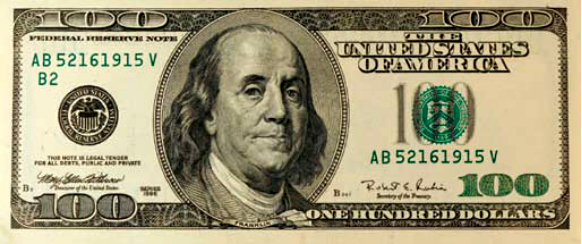
Now read the story of Michael Landress, who was once a professional counterfeiter.
C. Grammar
AS的用法
as既可以用作连词引导多种状语从句,也可以用作关系代词引导定语从句,其用法繁多复杂。
1. 引导时间状语从句
作“当……的时候”,其特点为:
1) 用于表示同一个人的两种动作交替进行,指“一边……,一边……”。
例:The girl dances as she sings on the stage.
2) 表示两个同步发展的动作或行为,译为“随着……”。例:As time went by,she became more and more worried.
3) 表示两个短促行为或事件几乎同时发生。例:I thought of it just as you opened your mouth.
4) 后接名词表示某一年龄段时,用as。例:As a young man(=When he was a young man), he was active in sports.
2. 引导原因状语从句
作“既然”、“由于”解,相当于since,常用来表示已为人们所知或显而易见的原因或理由。例:As you’re not feeling well, you may stay at home.
3. 引导方式状语从句
作“像”、“按照……的方式”解。例:You must do everything as I do.
4. 引导比较状语从句。
在as...as...或not so/as...as...中,前一个as是副词,后一个as是连词,它所引导的比较状语从句多使用省略形式。例:They helped the old man as often as (it is)possible.
5. 引导让步状语从句
as引导的让步状语从句必须是倒装的形式,倒装的形式是:① 提前表语(单数可数名词做表语时要省略冠词)② 提前状语 ③ 提前动词原形。例:Child as he was, he knew what was the right thing to do.
6. 用作关系代词引导定语从句
关系代词as引导定语从句时,既可以引导非限制性定语从句,也可以引导限制性定语从句。as引导限制性定语从句时先行词一般被the same, such等词修饰时。
例:Such a good fi lm as you described is well worth seeing.

